

NASA’s Neil Gehrels Swift Observatory has ended its science mission. The spacecraft made its last observation on 20 October, and NASA says it is expected to re-enter the atmosphere in the next few weeks.
Swift was built to catch gamma-ray bursts, the most powerful explosions in the cosmos. It was meant to work for two years and lasted more than ten times that. Here is why it fell, what it did and what happens to the kind of astronomy it made possible.
Why it ended
Every satellite in low Earth orbit feels drag from the thin upper atmosphere. Recent solar activity increased that drag on Swift, and the observatory began to sink fast, according to NASA.
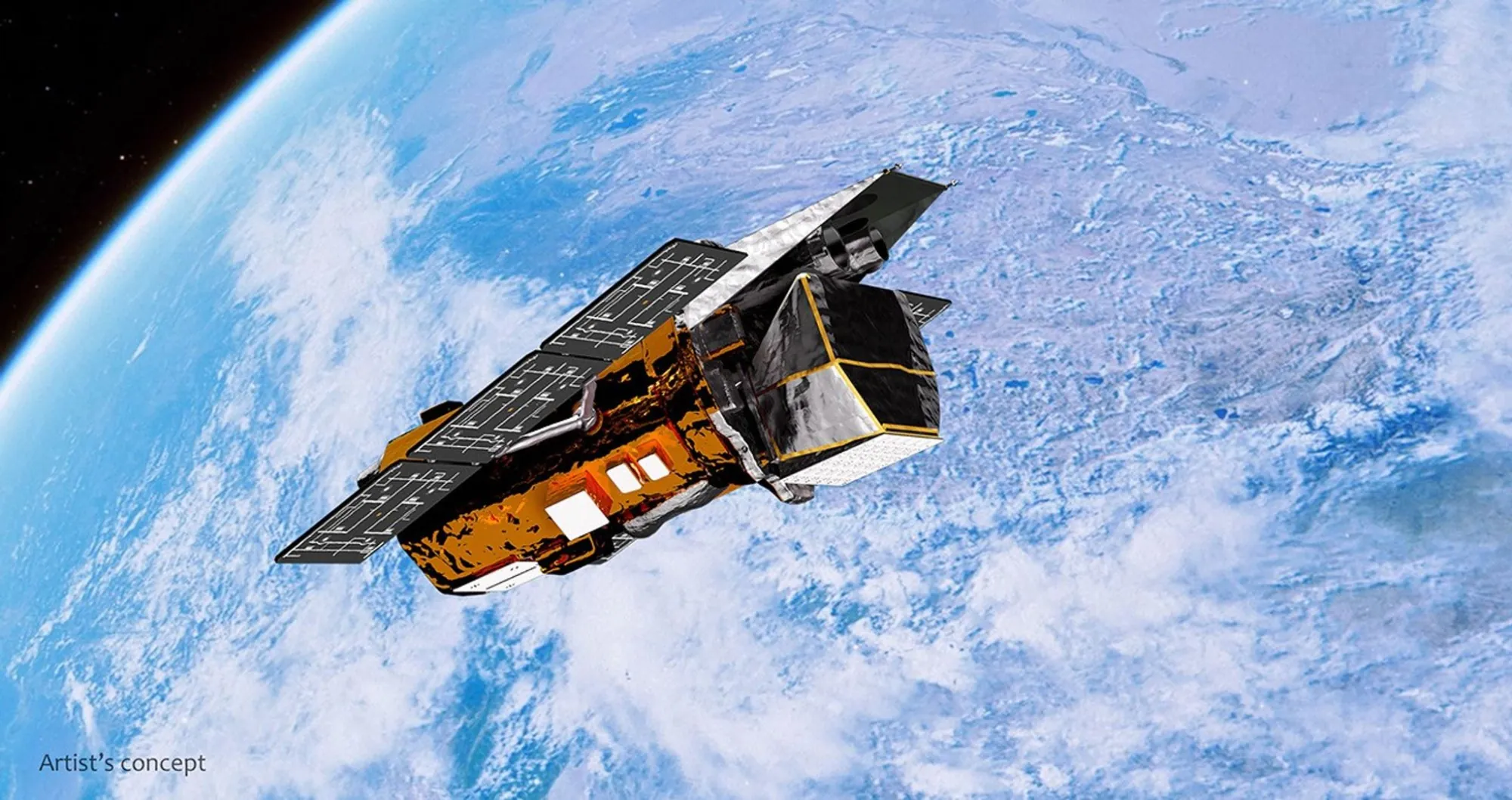
A high-risk, fast-turnaround servicing mission was meant to boost it to a higher orbit. It ended in August without an attempt to boost the observatory. Swift then restarted science observations, which the team had paused to reduce drag and keep it in orbit longer for the boost mission. Since then it observed hundreds of targets, from the remnants of stellar explosions to active supermassive black holes and comets in our own Solar System.
Observing increased the drag, and Swift began to sink quickly again. On 20 October it reached 171 miles (275 kilometres). At that height it could no longer compensate for the drag and went into safe mode. The operations team at Penn State then sent a command that effectively ended operations, to prepare the spacecraft for re-entry.
What Swift did
Swift launched on 20 November 2004. Its job was to find gamma-ray bursts, tell other observatories where they were and swing its own telescopes round to image the spot before the afterglow faded. NASA’s mission scientist S. Bradley Cenko says that typically took about a minute.
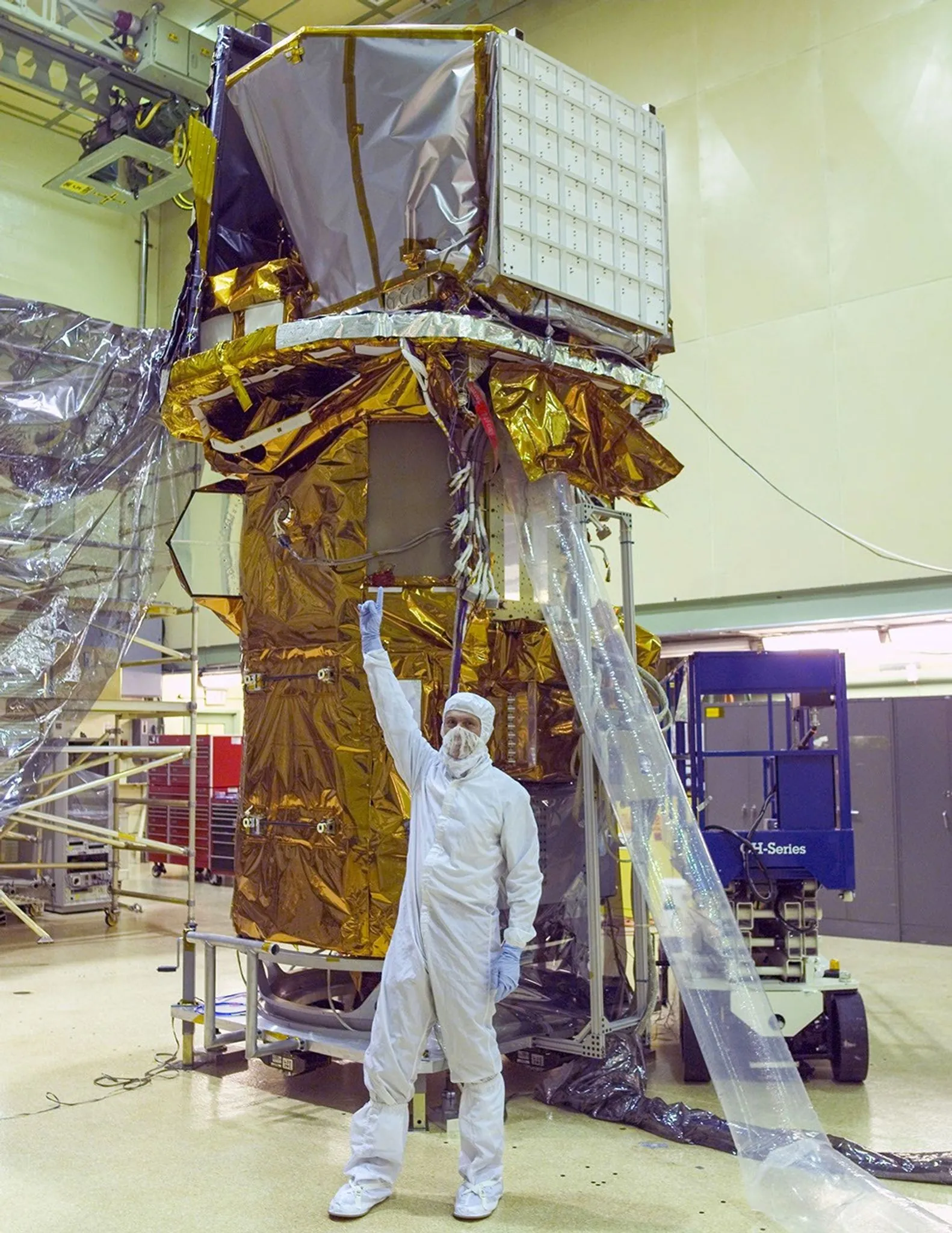
NASA says that in its career Swift observed more than 2,000 gamma-ray bursts and more than 1,400 supernova explosions. It also watched stars being shredded by black holes, monitored active galaxies, made an all-sky X-ray survey and studied asteroids and comets. Its data has contributed to about 7,000 published scientific papers.
One milestone came in May 2005. Swift caught the afterglow of a short gamma-ray burst, GRB 050509B, which lasted just 0.03 seconds. It turned fast enough to detect 11 X-ray photons. Those observations supported the long-standing idea that short bursts come from the merger of two neutron stars.
The rapid-response machine
Swift’s planning system let astronomers request “target-of-opportunity” observations that could be commanded from the ground in a few minutes, and it could schedule up to 75 independent targets a day. NASA’s Astrophysics Division director, Shawn Domagal-Goldman, called its return “an incredible, lasting return on investment”, and said it was part of a revolution that showed how critical rapid-response observations are to the whole community.
The mission was renamed in 2018 for its first principal investigator, Neil Gehrels, after his death.
What it leaves behind
The Swift archive holds nearly 22 years of brightness measurements, spectra in several wavelengths and more than 1.5 million images from its ultraviolet and optical telescope. It is about 12 terabytes, which NASA compares to roughly 600 high-definition films, and it is public. NASA says it will fuel new discoveries for decades.
What comes next
Swift’s end leaves a gap in rapid-response astronomy. NASA says it will keep looking for new ways to react quickly to cosmic events, using its existing missions in the meantime. Domagal-Goldman says the agency is exploring how to use and extend its fleet of telescopes, from fast-to-orbit commercial capabilities to new missions. The pages we read do not name a replacement.
What we do not know
NASA does not give a re-entry date in these pages, or say where the spacecraft will fall, or discuss any risk. We found no independent confirmation of the end of the mission, since the announcement is NASA’s own.
For other space telescopes and missions in the news, see how ESA’s Euclid found its first comet and Japan’s MMX probe heading for Phobos.


Leave a Reply