

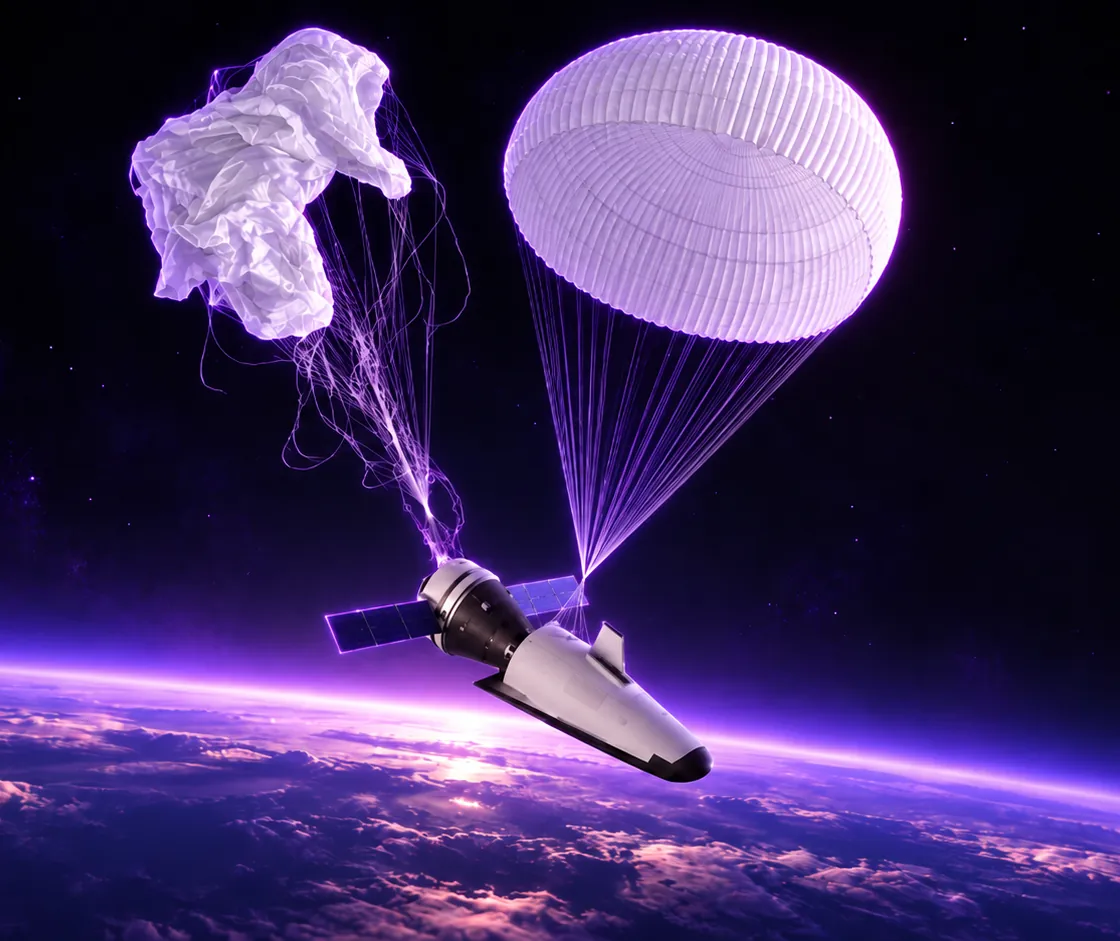
The European Space Agency has lost a full-scale test model of Space Rider, its planned reusable spacecraft. In the last drop test of a long campaign, the wing-like parachute did not deploy as it should, and the model was destroyed.
It is a setback in a test, not a flight. But the final test did not finish, and ESA has opened an investigation.
What failed
The test was held at Salto di Quirra, a defence test range in Sardinia, in October. L’Unione Sarda reported it on 21 October without giving the exact day.
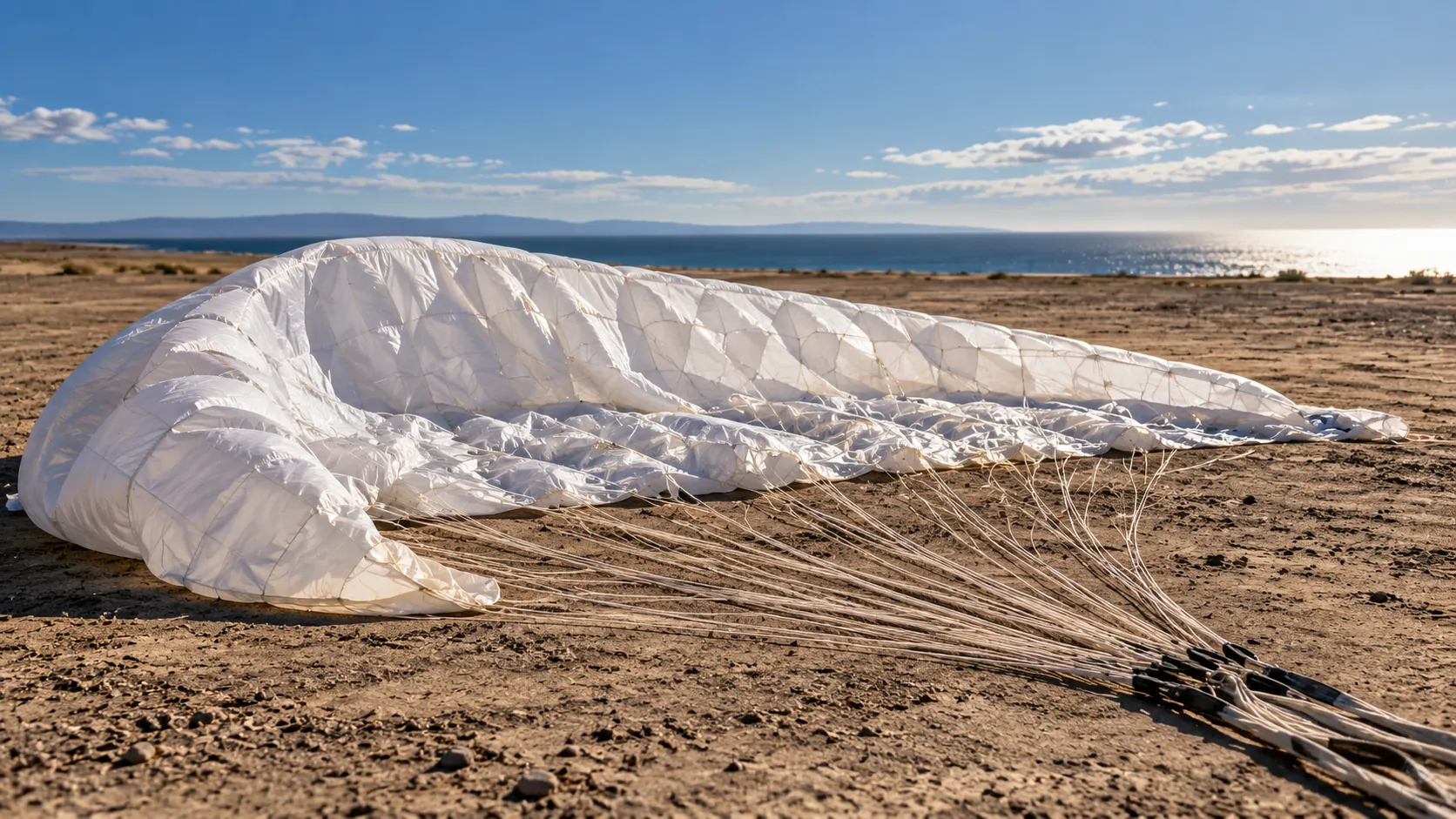
A problem arose during the opening of the large parafoil, the steerable parachute-wing meant to bring the spacecraft down gently. The test could not be completed and the model was lost. ESA said that after several successful tests, the final system-level release test “was not completed as planned” because of the anomaly.
What ESA is doing
ESA has opened an independent investigation to find the root cause and decide the next steps. We found no statement on what went wrong in the parafoil sequence, and no ESA text of our own to quote: the agency’s words reach us through the Italian newspaper.
What Space Rider is
Space Rider is meant to be ESA’s first reusable space vehicle. It would fly to orbit, work there for around two months as an uncrewed orbital laboratory, then re-enter and land. Thales Alenia Space leads its development, with Avio as co-contractor.
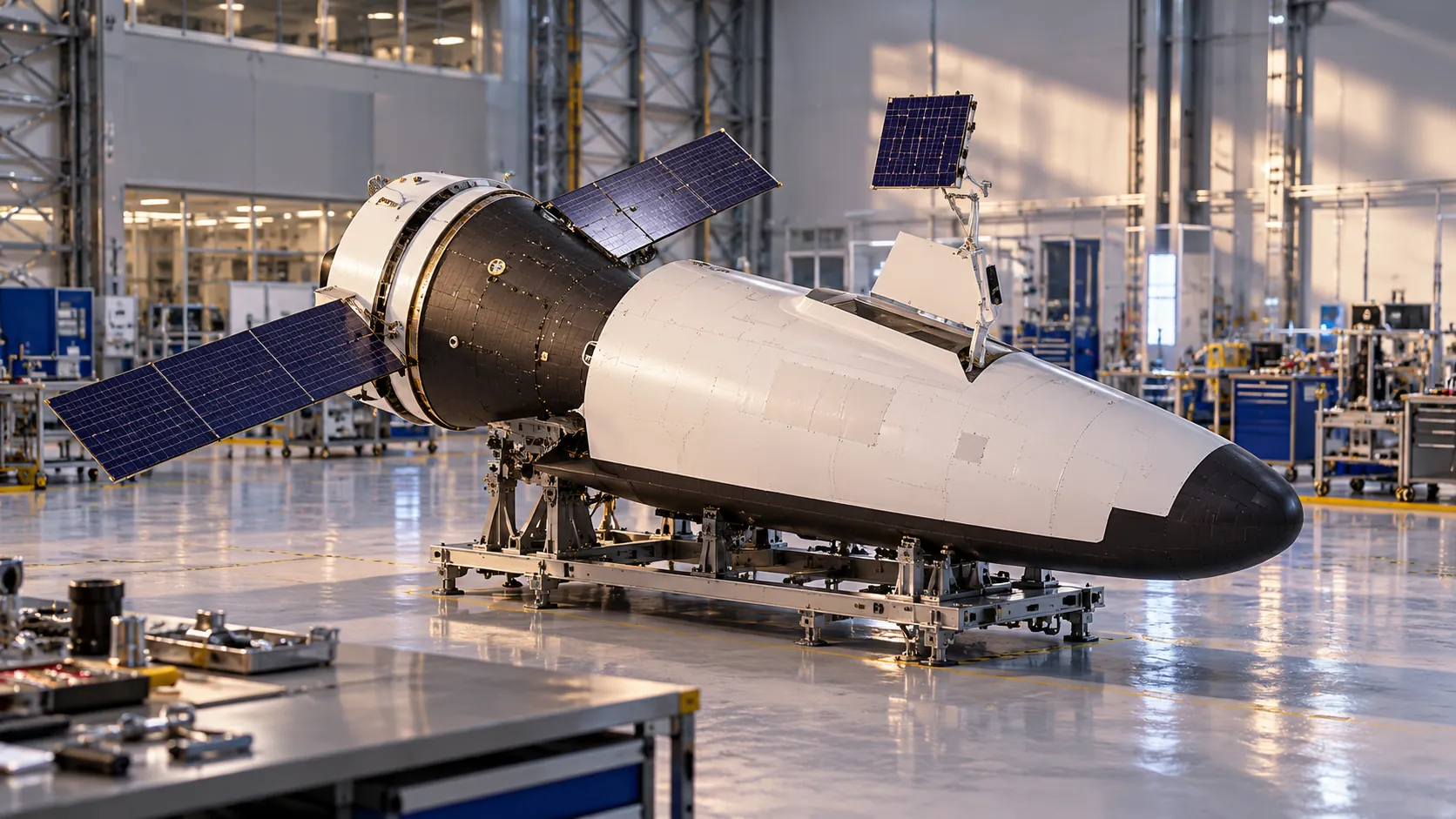
Since April, the team had been dropping a full-scale model of the 4.6-metre re-entry module from a helicopter of the Italian Army Air Force, from about 3 kilometres up. The aim was to check that a 27 by 10 metre parafoil opens and flies correctly. Other reports we saw in search results say an earlier attempt was halted in May.
What it means for the schedule
The debut is still, in theory, planned for the second quarter of 2028. The newspaper reports no change to that date. European Spaceflight says the investigation is neither the only nor the main factor behind the delays Space Rider already faces. We did not open that article, so we cannot say what the other factors are.
What we do not know
- What failed in the deployment sequence, and why.
- How long the investigation will take, and whether it needs another full-scale test.
- Whether the 2028 date will hold.
A drop test is exactly where problems are supposed to show up before a real flight. A lost model costs money and time, though. Whether it costs more than that depends on what the investigation finds.
For other recent space engineering stories, see NASA’s Swift telescope ending its mission, and for ESA’s science side, how Euclid found its first comet.
What we could not confirm
We read one report in full and found no ESA statement of our own. The exact test date, the cause and the effect on the schedule are not established.




Leave a Reply