

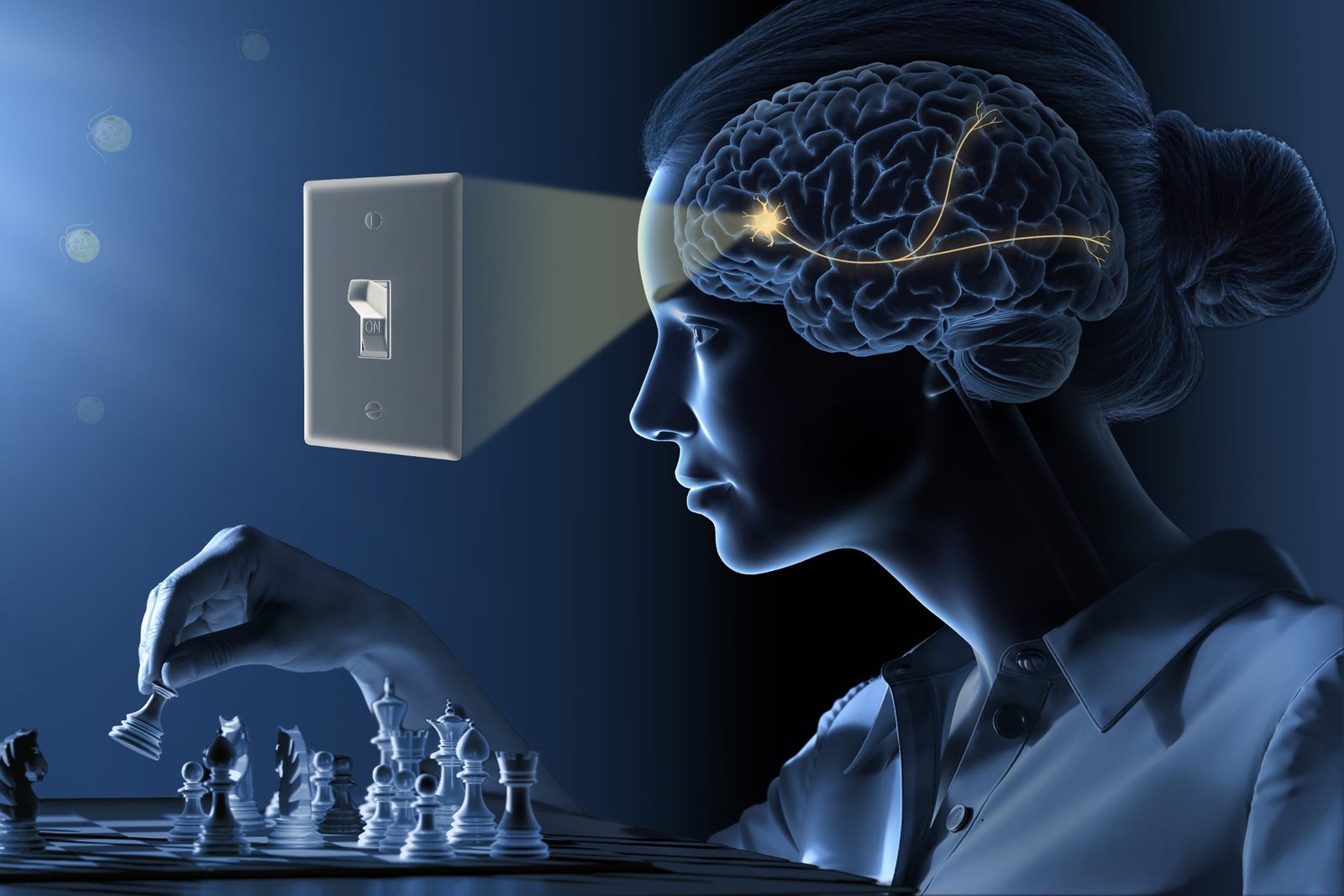
The 2026 Nobel Prize in Physiology or Medicine has been awarded to Karl Deisseroth, Peter Hegemann and Georg Nagel for optogenetics, a method that lets researchers switch nerve cells on and off with light. The prize was announced on 5 October “for their discoveries concerning light-gated ion channels and optogenetics”.
From a pond alga to a brain switch
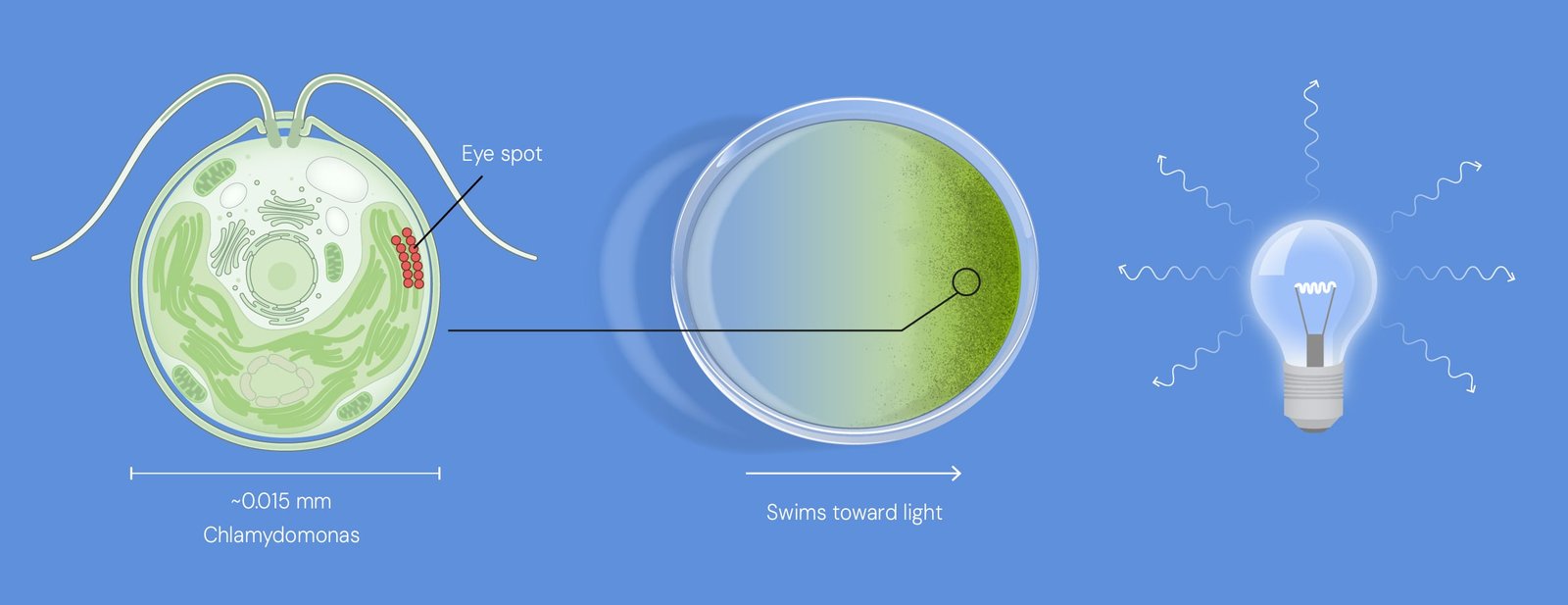
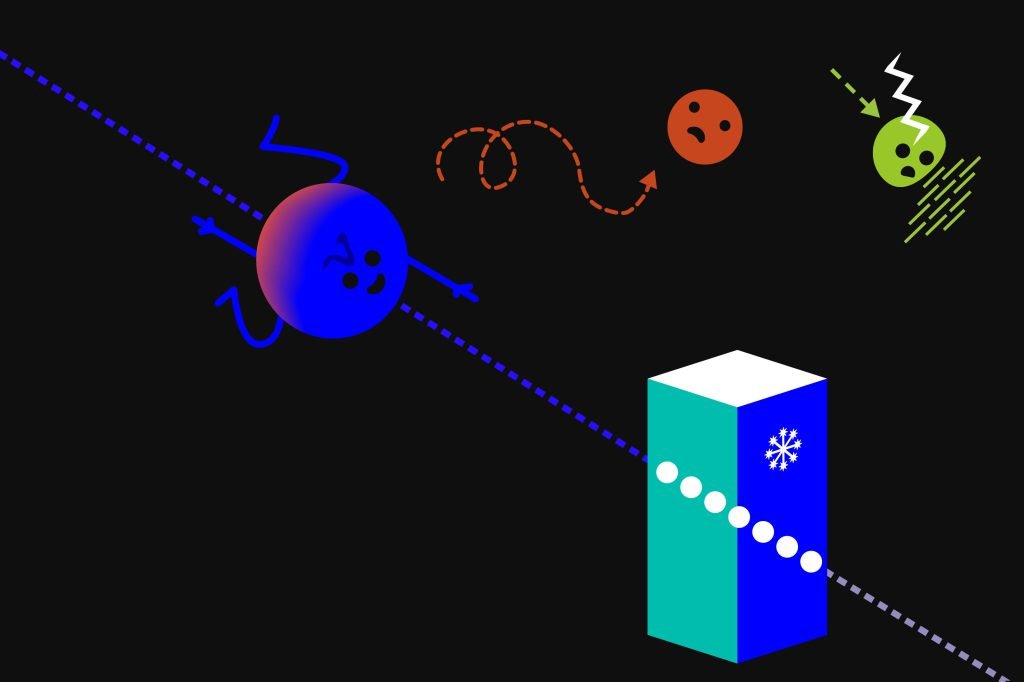
The story starts with curiosity about a single-celled alga. Peter Hegemann, now at Humboldt University of Berlin, wondered how Chlamydomonas swims towards a light source. In the early 2000s, he and Georg Nagel, of the University of Würzburg, discovered channelrhodopsin, a protein on the surface of the alga’s cell. When blue light hits it, a channel opens through the protein, charged ions flow into the cell and an electrical impulse is created. The Nobel Committee says they found that, whichever cell they put the protein into, the cell became sensitive to light.
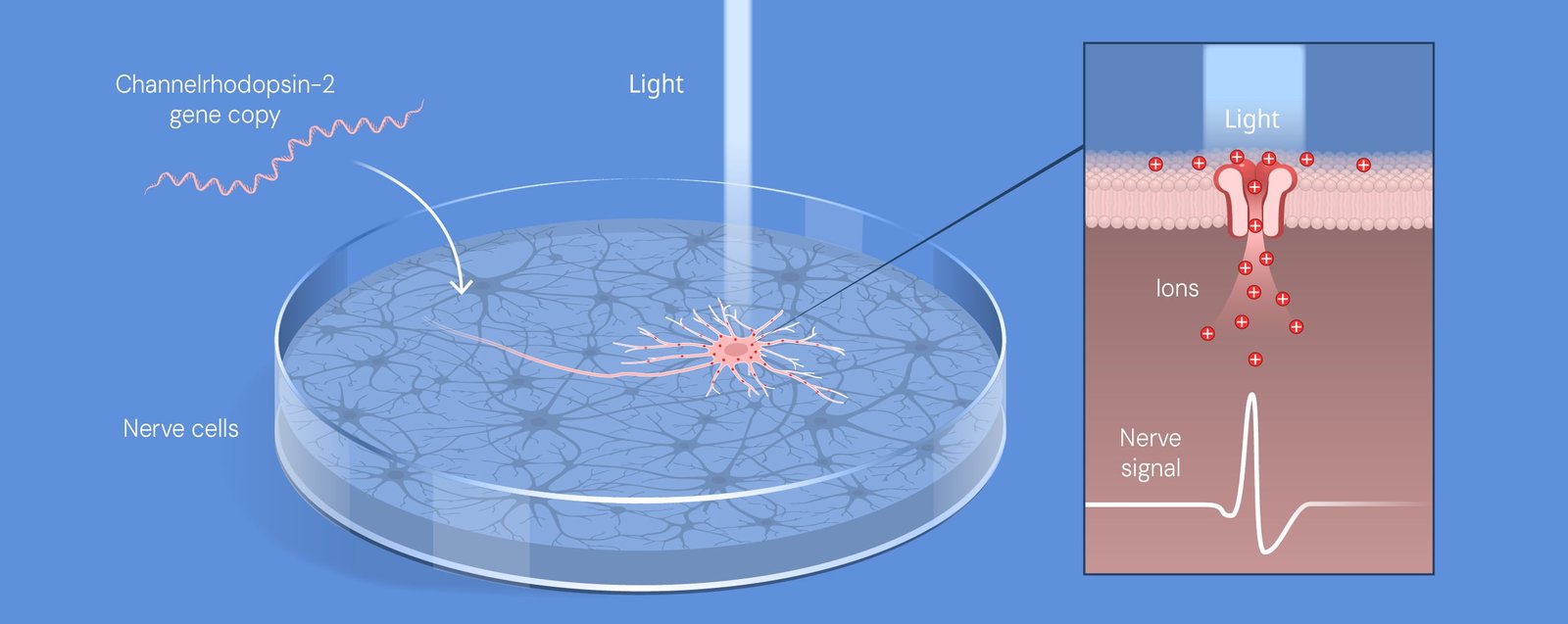
Karl Deisseroth, of Stanford University and the Howard Hughes Medical Institute, took the next step. He introduced the gene for channelrhodopsin into rat nerve cells and showed that blue light could trigger a nerve signal, a result he published in 2005. Two years later he made the light switch work in the brains of living mice.
Why it matters for neuroscience
For most of the 20th century, researchers could link brain areas to functions but could not prove cause and effect. The committee says the picture was like a sketch map full of question marks. “Optogenetics provides opportunities for mapping the brain in a way that we could once only dream of,” says Per Svenningsson, chair of the Nobel Committee for Physiology or Medicine.
With optogenetics, researchers have revealed neural circuits behind specific memories, feelings and behaviours that are relevant to neurological and psychiatric disorders. Scientific American adds that it has helped researchers study behaviours such as eating, sociability and aggression and illuminated diseases such as Parkinson’s and epilepsy.
A “far-fetched” idea
The idea that light could control specific cells was not new. Francis Crick, who won a Nobel Prize in 1962, suggested it. Abdel El Manira, a professor at the Karolinska Institute and a member of the Nobel committee, called the idea “brilliant” but at the time “entirely far-fetched”.
What it has done for patients so far
This is where it is easy to get ahead of the evidence. The Nobel Committee says only that in clinical medicine researchers are using the method “in attempts to restore sight” in people with visual impairment. Scientific American describes early clinical trial work in retinitis pigmentosa, in which DNA coding for a light-sensing protein is delivered to retinal neurons so they can respond to light even when the original light-sensing cells are damaged. It is early-stage work, and we found no evidence in these sources of an approved optogenetic treatment for Parkinson’s or other brain diseases. Those remain research targets.
Deisseroth says his team is looking for “new treatments, new medications, new neuromodulator approaches”.
The laureates
Deisseroth was born in 1971 and is a professor of bioengineering and of psychiatry at Stanford. Hegemann was born in 1954 and Nagel in 1953; the prize-winning discoveries were made at the Max Planck Institute for Biochemistry in Martinsried, Germany.
Illustrations: © The Nobel Committee for Physiology or Medicine. Ill. Mattias Karlén.


Leave a Reply