

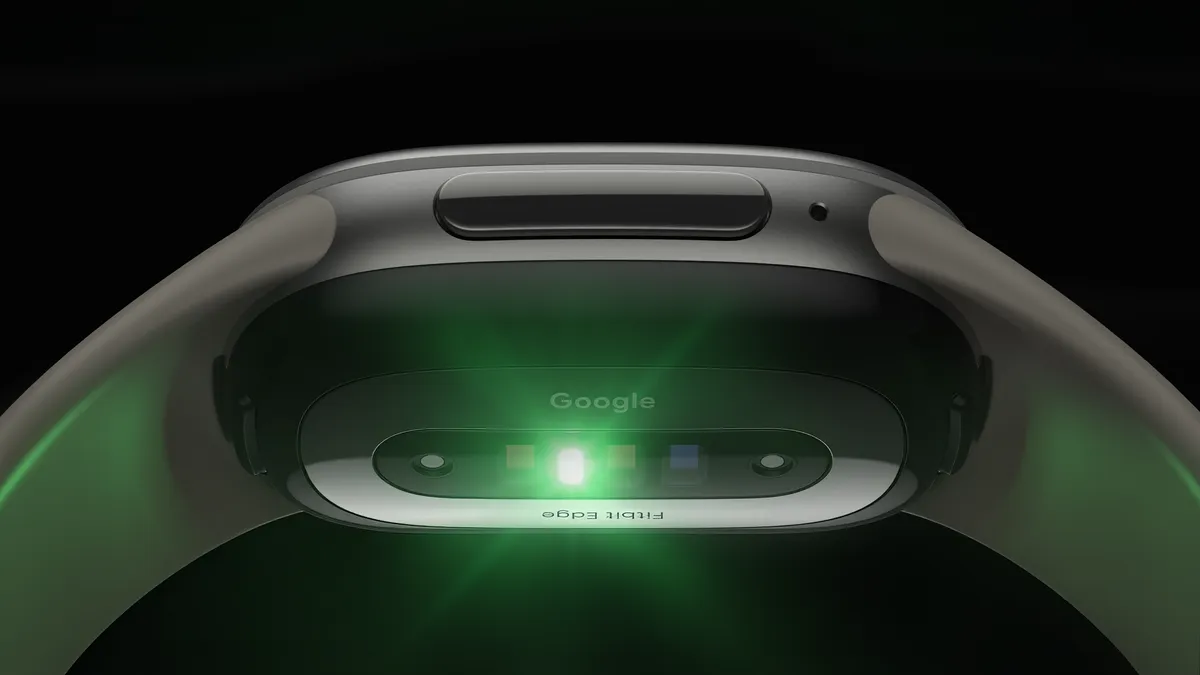
Google unveiled the Fitbit Edge on Monday 12 October, a fitness tracker with a larger screen, built-in GPS, a battery rated for up to seven days and, Google says, a battery you can replace. Pre-orders are open and it is due in the shops on 27 October.
Here is what we know, with the caveat that we have not tested it and that most of the claims below are Google’s own.
What it costs
In the US the Edge is $179.99 and a Stephen Curry special edition is $219.99, according to Canaltech. For the UK, a report on pre-orders gives £159.99. We could not open that report, so treat the UK price as reported rather than confirmed and check the Google Store or a retailer before you order.
For comparison, before the launch a leak reported by 9to5Google, citing the French site Dealabs, listed £159 for the UK and €179 for Europe. The same leak put the cheaper Fitbit Air at £85.
Google Health Premium is separate. Google is bringing its Health Coach to the Edge, and Premium reads changes in your data and offers personalised guidance, according to Canaltech, which gives no price. A UK report mentions three free months with each purchase and £7.99 a month afterwards, but we have not confirmed that, so check before you rely on it.
Screen and design
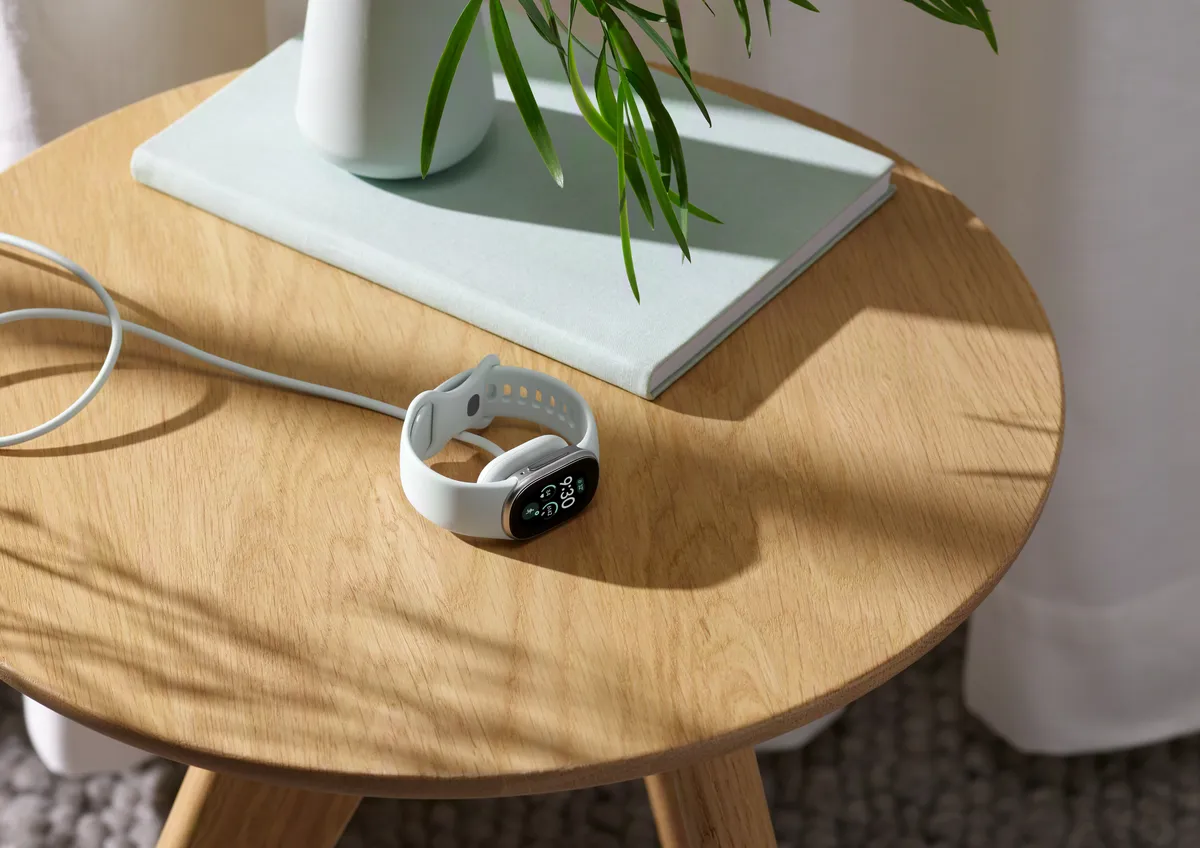
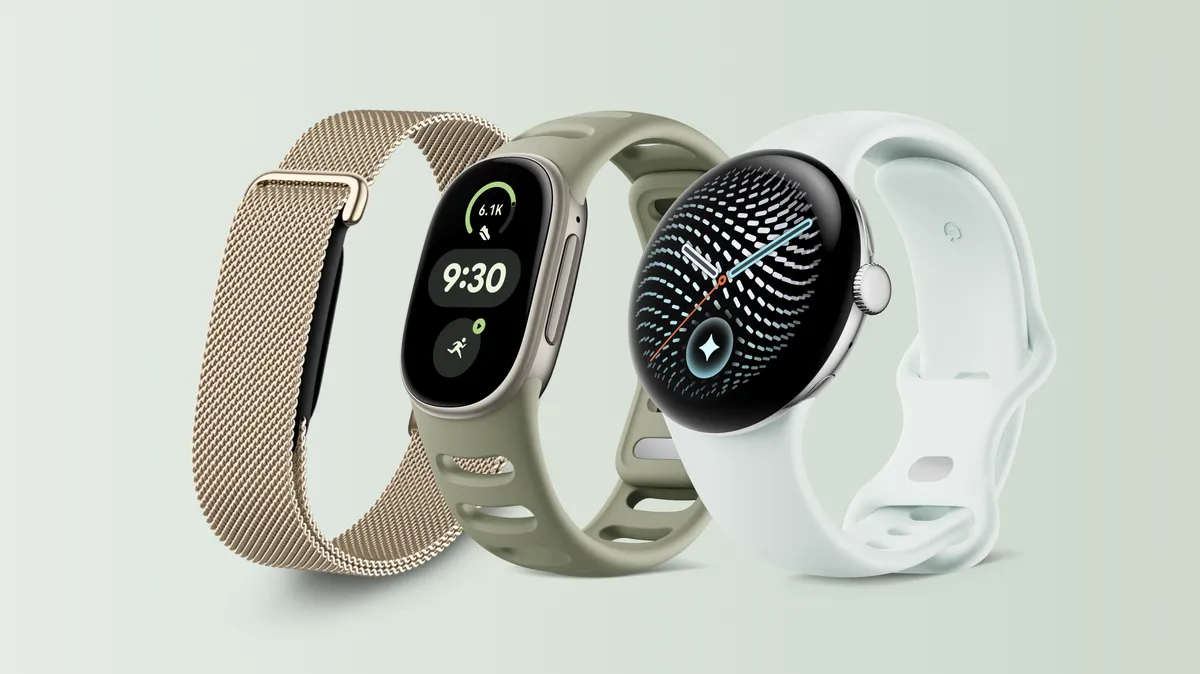
The Edge uses a hybrid OLED display with a viewing area 46% larger than on earlier models, Google says. It is 11.5mm thick, with a body made from recycled aluminium. Google claims it is 45% lighter than the Apple Watch Series 12. It is water resistant to 50 metres, and there is a physical button on the side. You can change the watch face and see call and message notifications, control media and use Google Maps.
GPS, sports and battery
Google says the built-in GPS is up to 40% more accurate on routes than earlier generations, even without a phone nearby. The Edge tracks more than 50 sports, has an altimeter and recognises up to 100 types of activity automatically.
Battery life is up to seven days. The battery can be replaced, which Google describes as the first repairable fitness tracker it has made. That is the most interesting claim here, although we have not seen how easy the swap is.
Health sensors
The sensor list covers heart rate, skin temperature overnight, sleep and heart rate variability, and an ECG taken at the wrist. It can also warn you of a very high or low heart rate. Google also mentions trend tracking for blood pressure and insulin resistance. We have not seen how that works, how accurate it is or whether it counts as a medical feature, so we would treat it with caution for now.
Who it is for
On paper, the Edge is a tracker built around its screen, GPS and a long battery rather than a full smartwatch. We would want to see independent tests of GPS accuracy, battery life in daily use and how much of the Health Coach needs a paid plan before recommending it.
Before you buy
Four things are worth checking first: the UK price on the Google Store or at a retailer, the confirmed shop date, what a Google Health Premium plan costs after any free period, and independent tests of GPS accuracy and battery life. The Edge’s cheaper sibling, the Fitbit Air, was listed at £85 in the same leak, so it is worth comparing the two before you choose.
Release date
Canaltech says the Edge reaches the shops on “the 27th”, without naming the month. A UK report gives 27 October, which fits the pre-order timing. We will update this article with confirmed UK pricing and subscription costs, and with our impressions once we have tested one.
Google, Fitbit and Pixel Watch are trademarks of Google LLC. Ctrl + Alt News is independent and is not sponsored or endorsed by Google. Google’s images are used for editorial purposes.


Leave a Reply